By Ron McGinnis
September 4, 2026
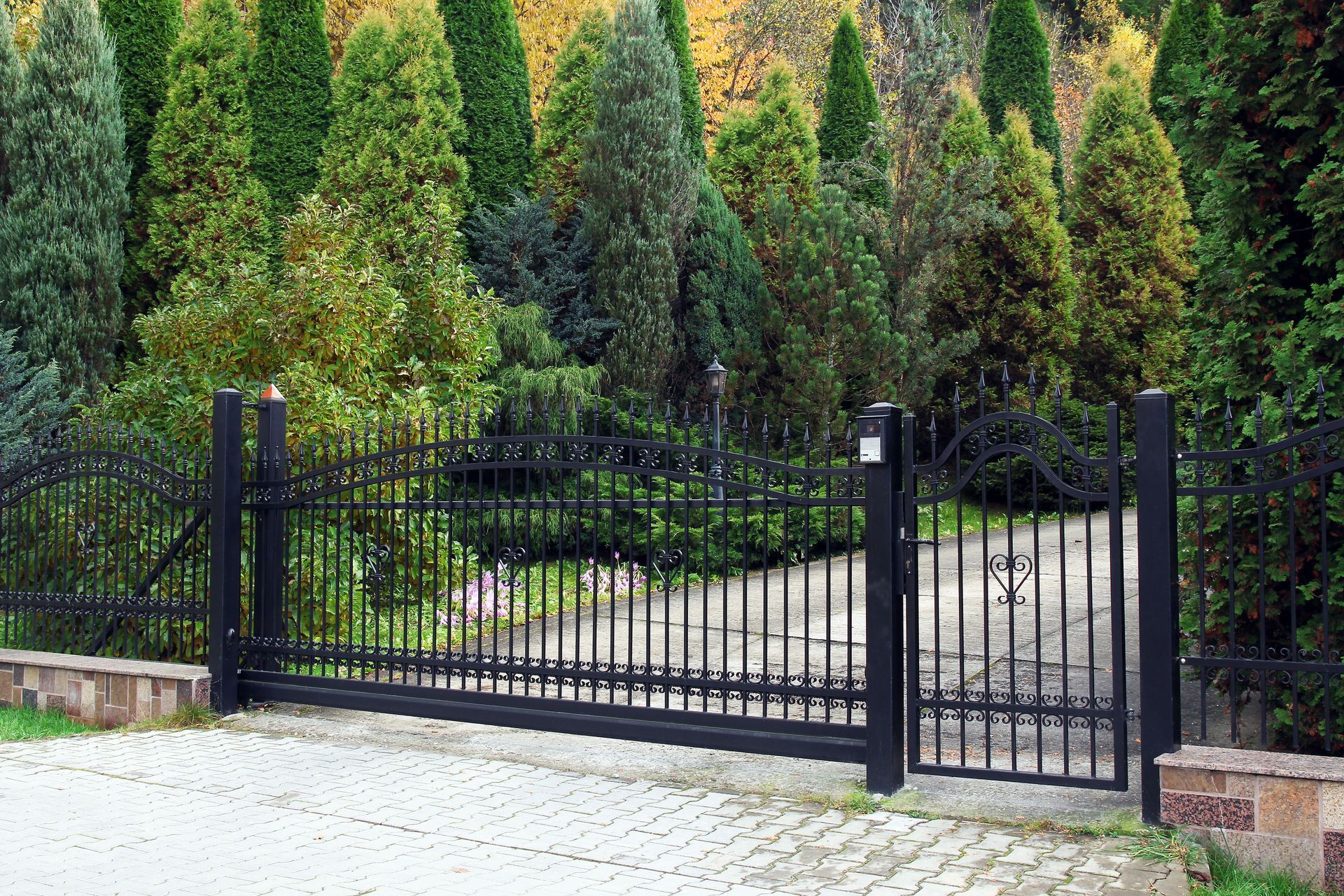
Planting trees near driveways can dramatically enhance curb appeal while providing much-needed shade during hot summer months. However, growing large foliage too close to paved surfaces often leads to underlying structural issues such as lifting asphalt, cracked concrete, and severe visibility blockages. Navigating spatial limits requires a deep understanding of mature canopy dimensions, deep root behavior, and long-term property maintenance. Striking the right balance between natural beauty and structural functionality keeps your outdoor space both inviting and safe for daily vehicle traffic. Engaging a professional local tree service helps property owners evaluate ground conditions, select appropriate tree species, and establish safe planting distances. Careful planning ensures that your landscape flourishes over time without compromising the longevity or appearance of your driveway infrastructure.
Understanding How Tree Roots Expand Near Paved Surfaces
Tree root systems naturally grow outward in search of essential water, oxygen, and nutrients necessary to sustain healthy foliage. As these underground networks expand, shallow roots can push upward against driveway foundations, creating raised humps, wide cracks, and hazardous trip hazards. Heavy pavement limits moisture absorption in surrounding soil, prompting aggressive root structures to search closer to the surface for surface water runoff. Partnering with a skilled local tree service allows homeowners to assess sub-surface soil conditions before planting new greenery. Experienced arborists evaluate soil compaction, moisture retention, and hardscape thickness to prevent future root interference. Proactive root management ensures that growing trees remain anchored securely while preserving the structural integrity of nearby paved driveways.
Evaluating Canopy Spread and Overhead Vehicle Clearance
Overhead canopy expansion poses an equally significant consideration when determining how far from driveways trees ought to grow. Low-hanging branches can scrape against tall vehicles, scratch car paint, and block clear sightlines when pulling into traffic safely. Furthermore, dense foliage shades driveway surfaces continuously, slowing down snowmelt during cold winter months and promoting moss growth on damp pavement. Consulting a knowledgeable local tree service provides guidance on ideal branch clearances and ultimate canopy dimensions for various tree species. According to This Old House, a driveway flanked by two elegant rows of trees is a tradition that dates back to Roman times. Maintaining proper overhead clearance preserves open sightlines, shields vehicle finishes, and keeps your property safe for visitors throughout every season.
Selecting Low-Impact Tree Species for Proximity Planting
Choosing tree species with non-invasive root systems is essential when adding greenery near driveways, walkways, or home foundations. Certain fast-growing trees, such as poplars or silver maples, feature surface-level root systems that readily disrupt paved surfaces. Conversely, compact ornamental varieties or deep-rooting species adapt well to restricted spaces without causing structural upheaval over time. Working alongside an experienced local tree service helps homeowners select ideal plant species suited for specific soil types and space constraints. Professional arborists recommend trees with contained growth habits that complement hardscapes rather than competing with them. Informed species selection ensures your home enjoys vibrant natural beauty without incurring frequent hardscape repair costs.
Calculating Minimum Planting Distances Based on Tree Size
Determining safe planting distances depends heavily on the expected mature size of the tree you intend to install. As a general rule, small trees reaching mature heights under twenty feet should sit at least eight feet away from driveway edges. Medium-sized varieties require a minimum distance of fifteen feet, while large shade trees need twenty to thirty feet of clearance to prevent root damage. Scheduling an assessment with a reliable local tree service ensures that spatial measurements reflect full mature root and canopy growth. Arborists evaluate property boundaries, underground utility lines, and driveway materials to establish optimal planting zones. Adhering to precise distance guidelines prevents future overcrowding and keeps your driveway surface smooth for decades.
Mitigating Storm Damage and Falling Debris Hazards
Trees positioned extremely close to driveways face increased risk of mechanical damage from passing vehicles and heavy snow accumulation. Weak limbs, decaying wood, or heavy seed pods can drop unexpectedly onto parked cars, causing costly body damage or shattered windshields. Strong windstorms can also destabilize trees with restricted root systems, creating severe safety risks for nearby structures. Contracting a professional local tree service for routine structural inspections helps identify compromised branches before severe weather strikes. Trained crews perform strategic crown thinning and hazard pruning to reduce wind resistance and minimize falling debris risks. Regular maintenance keeps nearby trees healthy, strong, and safe during unpredictable storms.
Protecting Underground Utilities and Drainage Networks
Driveway corridors frequently house vital underground utility pipes, sewer connections, electric conduits, and stormwater drainage channels. Tree roots growing near driveways can wrap around buried lines or invade subtle pipe seams in search of consistent moisture. Once roots penetrate underground piping, severe blockages and costly utility repairs often follow shortly after. Hiring a qualified local tree service ensures that planting locations are cross-referenced with buried utility lines before digging begins. Professional crews utilize advanced location tools to verify safe clearance margins around underground infrastructure. Safeguarding subterranean utility lines prevents unexpected service disruptions while supporting long-term tree health.
Managing Soil Compaction and Nutrient Supply
Driveway construction involves heavy machinery that heavily compacts surrounding soil, making it challenging for plant roots to breathe and absorb rainwater. Compacted ground restricts oxygen exchange, slowing root growth and causing trees to struggle or develop unstable, shallow anchor roots. Over time, poor soil quality leaves trees vulnerable to pest infestations, fungal diseases, and premature structural decline. Relying on a dedicated local tree service provides access to professional soil aeration, deep-root fertilization, and organic conditioning treatments. Arborists alleviate soil compaction around driveway perimeters, supplying essential nutrients that foster strong downward root growth. Enhancing soil quality encourages deep rooting patterns that stay far below sensitive driveway bases.
Preventing Pavement Cracking and Asphalt Upheaval
Once tree roots begin shifting the soil beneath an asphalt or concrete driveway, structural damage accelerates rapidly during freeze-thaw cycles. Water enters small surface cracks, expands during freezing weather, and destabilizes the surrounding pavement foundation further. Repairing compromised driveways often requires expensive asphalt repaving, concrete patching, or complete slab replacement. Scheduling routine checkups with a proactive local tree service helps detect subtle root expansion beneath paved surfaces early. Professional arborists can install specialized underground root barriers that redirect growing roots downward away from vulnerable hardscape edges. Implementing preventative barriers avoids costly hardscape repairs while allowing mature trees to thrive safely nearby.
Improving Property Aesthetics and Curb Appeal
A thoughtfully designed driveway landscape frames your home beautifully, boosting overall property value and creating a warm welcome for guests. Balancing natural greenery with clean hardscape lines creates visual harmony while highlighting architectural features of your house. However, overgrown or poorly placed trees quickly make entryways feel cramped, dark, and unkempt. Partnering with an artistic local tree service allows homeowners to design balanced planting schemes that complement existing property layout. Arborists provide selective pruning and crown shaping services that highlight natural tree forms while maintaining clear entry pathways. Professional aesthetic management transforms your driveway corridor into an elegant, well-proportioned focal point.
Maintaining Long-Term Tree Health Through Regular Care
Trees planted near driveways face unique environmental stressors, including radiated heat from asphalt, vehicle exhaust fumes, and de-icing salt runoff during winter. These harsh conditions can weaken foliage, cause leaf scorch, and degrade bark health over multiple growing seasons. Ongoing maintenance is essential to help proximity trees withstand urban environmental pressures effectively. Establishing a care plan with a dependable local tree service guarantees regular health monitoring, insect control, and seasonal hydration management. Professional care identifies early signs of distress, ensuring rapid treatment before permanent damage occurs. Consistent professional attention keeps your landscape trees vibrant, resilient, and structurally sound year after year.
Determining the proper distance between your driveway and growing trees is essential for preserving both hardscape infrastructure and plant health. Proper species selection, accurate spatial planning, and proactive root management prevent costly driveway cracking, utility disruptions, and overhead vehicle hazards. Investing in professional landscape care ensures that your outdoor environment remains safe, functional, and visually appealing throughout every season of the year. Working alongside experienced arborists allows property owners to create elegant, shaded driveways without risking expensive repairs down the road. Regular checkups, seasonal pruning, and expert soil management keep your landscape thriving for generations to come. To receive personalized recommendations and schedule professional care for your property, contact McGinnis Tree Service LLC today.